-
Essential:
Essential cookies are essential for you to browse the website and use its features. Cookies that allow web shops to hold your items in your cart while you are shopping online and navigating the website are an example of strictly necessary cookies. Our website does not work without these cookies, so they are stored without your express consent.
-
Preferences cookies:
Preferences cookies can be used to change the user experience of our website. Preferences cookies allow a website to remember choices you have made in the past.
-
Statistics cookies:
Statistics cookies are used to collect information about how you use our website. None of this information can be used to identify you.
-
Marketing cookies:
Marketing cookies track your online activity. The purpose of marketing cookies is to help advertisers deliver more relevant advertising or to limit how many times you see an ad.
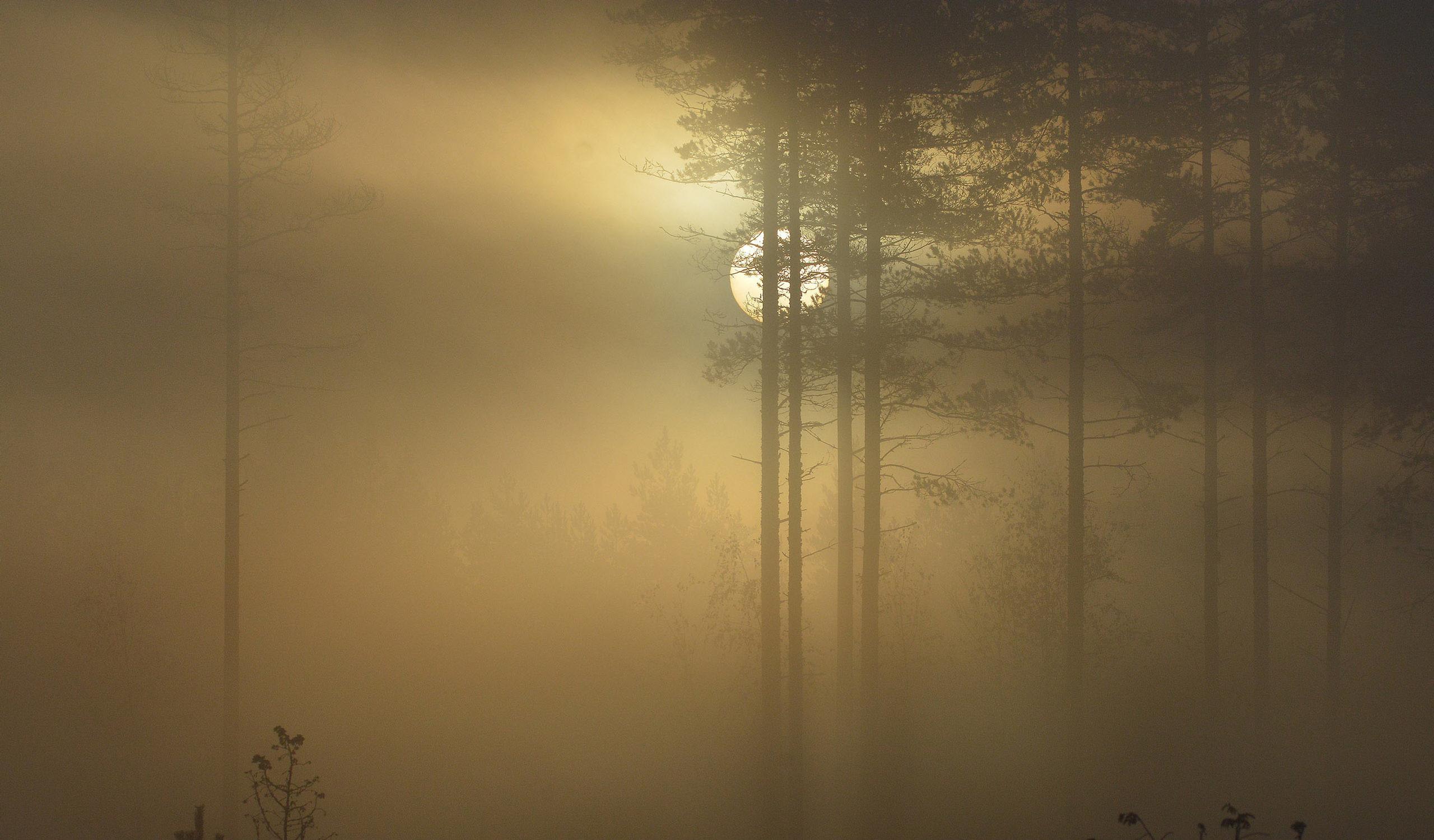
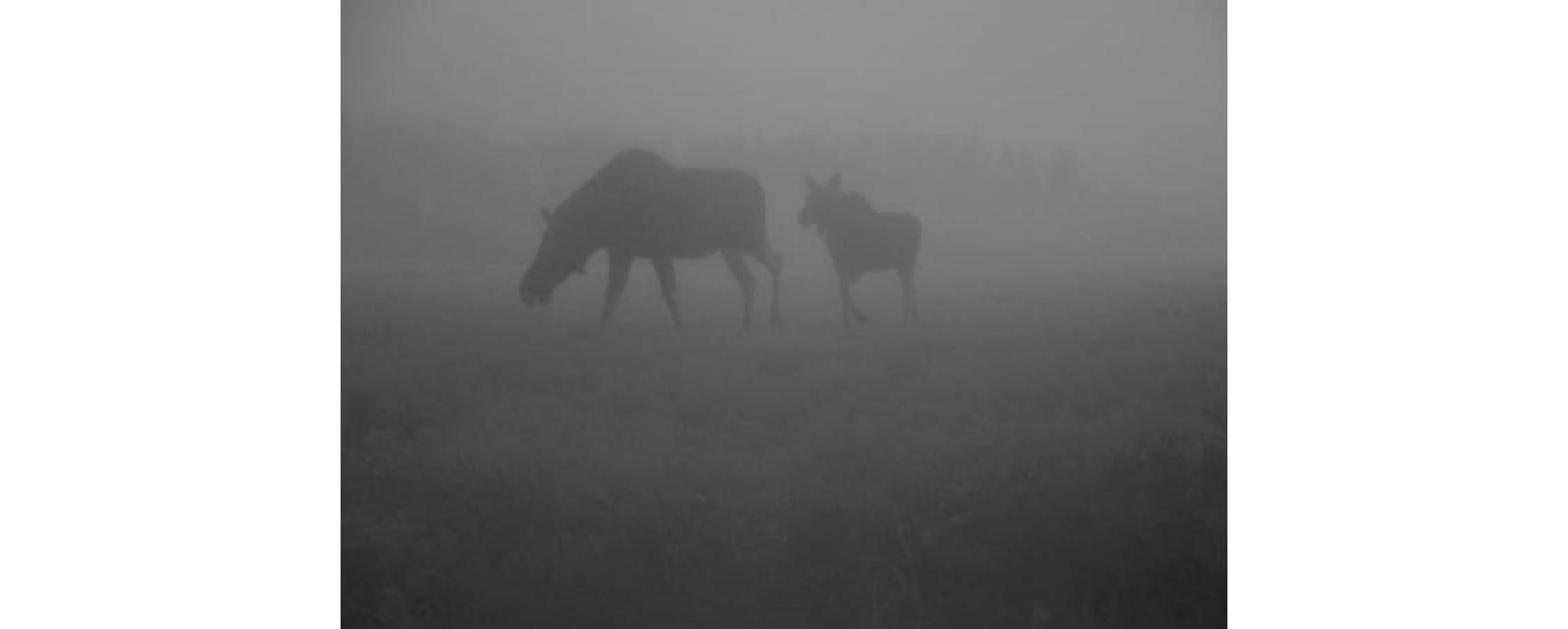
Tapio's game in a game camera
In the Borderlands of Game and Fish
As the year draws to a close and winter approaches, it's the season for forest game. Moose hunting is still underway, while bear hunting has already concluded. Game birds, hares, wild boar, and deer are also sought-after game.
Hunting for large game in Finland also reveals what still brings people together in the countryside: the local hunting club. Otherwise deserted and remote cottage and forest roads can suddenly be densely populated with equipped groups in bright colours and cars parked by the roadside, almost like a lively dance event. There's plenty of buzz and conversation.
Even though village schools are already endangered rarities and many associations lack successors to continue their activities, hunting groups continue to thrive. While an aging membership has sometimes been feared as a problem, there are increasing examples of young people and women joining clubs, including those returning to the area.
The significance of hunting is also gaining new dimensions in South Karelia. One such example is the upcoming museum of wilderness and nature culture, for which Imatra was somewhat surprisingly chosen as the location. The centre is scheduled to open in the city hall by the Vuoksi River, possibly by 2025.
Commendably, the museum's preliminary information has prominently emphasized a policy of connecting wilderness and nature culture, rather than highlighting separations or oppositions. Hunting, fishing, all kinds of hiking, and recreational use of nature have been mentioned as part of this new museum concept.
Another noteworthy aspect in the goals of the national central museum coming to Imatra is tourism. In addition to providing knowledge and activities, the museum's task is to create tourist appeal, which is apparently one reason why Imatra, as the cradle of Finnish tourism history, was chosen in the competition.
While the exact contents are not yet known and the perspective is likely nationwide, it is important to ensure that our province's hunting and fishing traditions are represented there. Just as Imatra brings together and connects other activities from its region, including Ruokolahti, Rautjärvi, and Parikkala, the museum could also be a showcase for the past and present wilderness culture of the northern tip. What is known about this and what could be presented to future wilderness travellers? From Parikkala, for example, known but, for South Karelia, rare information about ritual bear hunting with skull trees has been recorded in the best wilderness areas. Some incantations with specific addresses and appeasements for the animal are preserved, as well as trapper's chants, and even spells for hares, birds, and squirrels.
From Ruokolahti, there is evidence of the annual cycle of hunting and fishing. This is reflected in place names, such as those harking back to a Sámi winter village, or Syyspohja and Hauklappi. From the latter, "pike peasants" who paid pike taxes to Vyborg Castle in the 16th century are known.
Rautjärvi's pride, the Hiitolanjoki River, also known as the Kokkolanjoki River, has served as a route for ancient Karelians venturing further into wider waters. Behind the names may lie a 'hiisi' as a sacred grove for sacrifices and a 'kokko' either as fire or an eagle. Historically, the oldest salmon fishing methods include perhaps spearfishing and, on the other hand, the construction of 'kolu' or passive weir traps.
Even today, the wilderness areas of Ruokolahti-Rautjärvi are among the largest winter grazing grounds for moose in the province. In Simpele, the prospects for the return of migratory fish are finally brighter, although a sustainable stock of Ladoga salmon for fishing will still take quite some time to establish. In the Parikkala region, hunting could potentially be enriched in the future by wild boar and smaller deer species.
But what does all this mean for hunting and fishing tourism? Can it be more than just guest permits and visits to club hunts or occasional trolling trips on the lakes?
Perhaps there would also be a need for new kinds of guides who would act as an interface between established local practices and occasional enthusiasts or tourists interested in wilderness life.
It would also be appropriate to establish some kind of intermediary step to make game meat or locally caught fish available to more willing buyers. This is not particularly easy elsewhere in Finland either, but surely something could be done to improve the situation.
Experiences of wilderness traditions can be realized in ways other than through the core activity of hunting and fishing itself. In Kesälahti, the bear trap (karhunlitsku or -loukku) built long ago on Juhana Kainulainen's path is an excellent and rare attraction. Only imagination – and of course, hunting and fishing laws – limit what municipalities, clubs, and entrepreneurs can invent to attract paying wilderness tourists.
-Rajamaisteri