-
Essential:
Essential cookies are essential for you to browse the website and use its features. Cookies that allow web shops to hold your items in your cart while you are shopping online and navigating the website are an example of strictly necessary cookies. Our website does not work without these cookies, so they are stored without your express consent.
-
Preferences cookies:
Preferences cookies can be used to change the user experience of our website. Preferences cookies allow a website to remember choices you have made in the past.
-
Statistics cookies:
Statistics cookies are used to collect information about how you use our website. None of this information can be used to identify you.
-
Marketing cookies:
Marketing cookies track your online activity. The purpose of marketing cookies is to help advertisers deliver more relevant advertising or to limit how many times you see an ad.
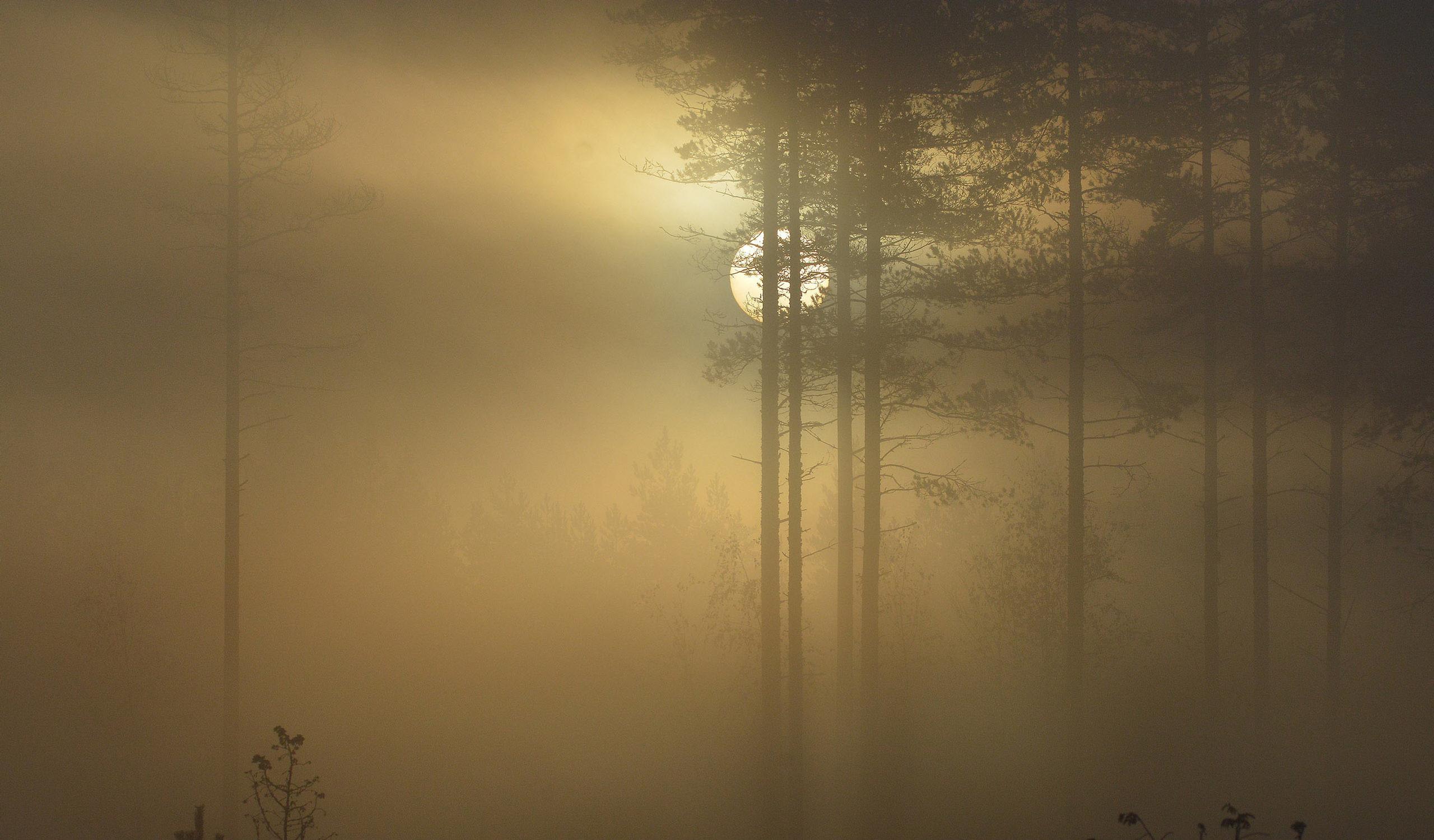
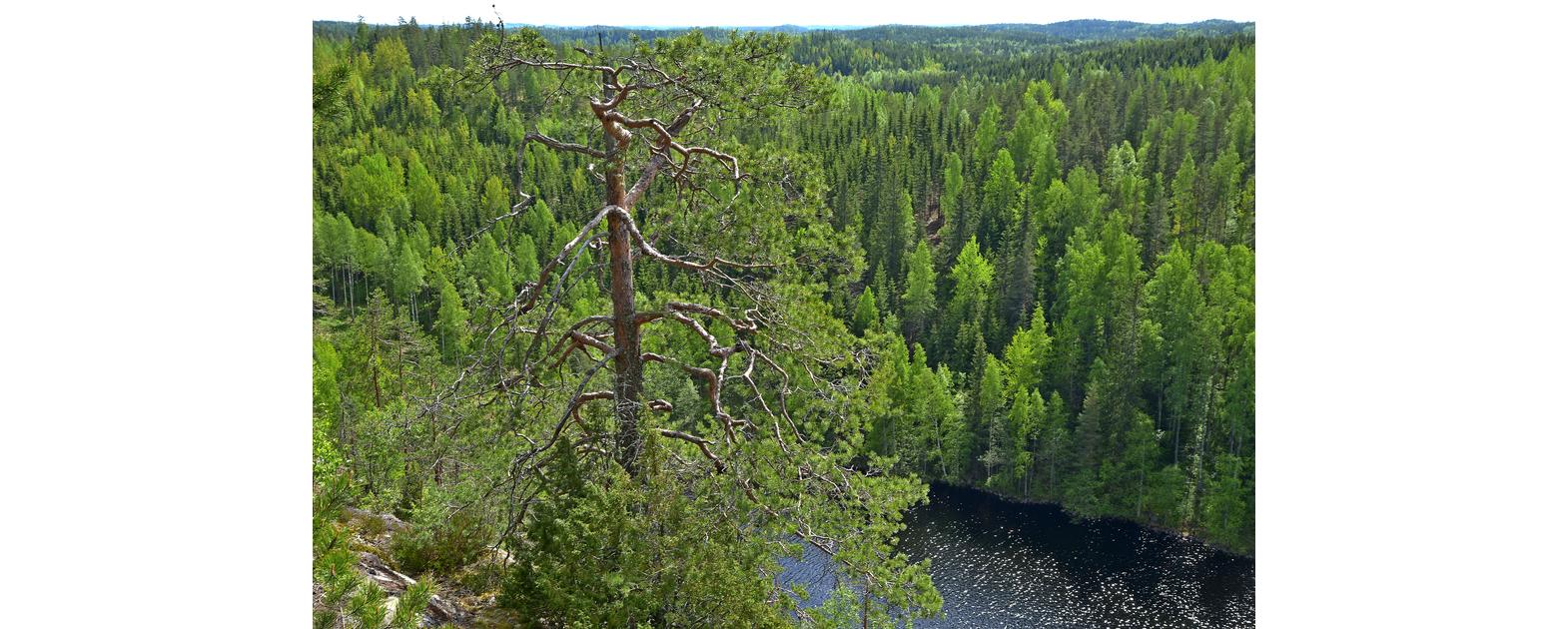
Photo: Markku "Marsa" Anttonen
TOURISM IN RAJAMAILLA: DAWN OR DUSK?
The old adage says that a country the size of Finland can only handle one topic of conversation at a time. If it's not the virus plague now, it's tourism. Tourism is the elixir of vitality and does good for doubters. Its absence, on the other hand, is a constant source of bewilderment for consultants, newspaper preachers, and municipal fathers and mothers. And, of course, with us, everything is always more possible than with you.
A tip for you, traveler or someone planning a trip: when vitality and tourism are mentioned in the same sentence, it's worth removing the safety catch. Behind it, you might discover a good dose of terminal weakness and an inclination to flee. Not all black can be whitewashed, and the sun does not set in the east. Speaking of the east: here, life has always been lived uniquely, even though many inventions arrived late, wealth has not accumulated, and stronger powers have rolled over us. Still, we have learned to practice slash-and-burn cultivation and tell jokes, to sing poetry, to fry and bake. We've hunted and fished. In addition to mushrooms, junk has been collected, and with EU projects, something has been given back.
However, Eastern people have always had a master to learn from. First, the priest, then the teacher, and finally the official or consultant. Now, there's a need to reform according to methods instilled by global markets, cloud services, branding agencies, and such. So, nothing has really changed, even though everything has: the ideal of authenticity is sought too easily, even if we can't look it in the eye.
Behind the bravado of tourism also gushes a bundle of bureaucracy. As stated at the Simpele lake college, we live in a country of diploma fundamentalists. If you intend to try, more cards and passes must be acquired than when playing moska or attempting to cross the border.
Where have the days gone when, at least in the backwoods of Parikkala, i.e., in Saari's smoky huts, when putting a catch in the pot, a hygiene pass meant at least wiping the scales of the bream on a different piece of wood each time and cleaning the knife on damp grass? A toothpick was made by stripping the two-pronged bones of a fish. When the state and market powers oversee the antics of an experience guide and the perceptions of a handicraft entrepreneur, something always goes unnoticed. Take, for example, the sauna's salt, or *vasta* (birch whisk).
There would be potential for productization. In its making, let alone the finished product, but what has been achieved? Frozen eucalyptus and birch bundles tied with rubber bands. If there should be a directive, it's one that prohibits rubber slingshots or allows them only for shooting purposes. Some Business Finland could develop a project to authorize the intangible heritage of tying a *vasta*. Surely, at least a pass must be acquired. And one that works even on Midsummer after exceeding a certain alcohol limit.
But must a tourism product always be a thousand times recognized glossy picture and something already invented by others on the consumer side, or a forced performance without proper prospects on the entrepreneurial side? From where and how can the poor border regions draw inspiration when the world has changed here too?
Northern South Karelia has potential, a consultant would say. And Eastern Savo is not entirely inept, nor is Southern North Karelia merely unfortunate. Now, we must gradually and patiently begin to unearth what is most unique. And we must not be afraid of what is revealed. In addition to beautiful nature and Karelian directness, for example, sparse population and impoverishment. Something that in so many contexts would rather be swept under the rug.
That too is cultural heritage, one might say. Already in the 19th century, a thinker noted that if a roof could be built over all of Parikkala, it would be one large poorhouse. It would even be socially distanced now! The Rajamailla group could, for its part, influence the local tourism course to turn towards an authentic, ruggedly beautiful, and interesting path on virgin soil. Perhaps it's even good that it hasn't succeeded here yet. Rajamaisteri awaits and will report... with bream and *vasta* under arm!
-Rajamaisteri